PRO QUALITY CAR CARE MADE EASY
Join millions of car enthusiasts and professionals globally who trust our cutting-edge.
easy-to-use car care products to protect,restore,and enhance their vehicles.


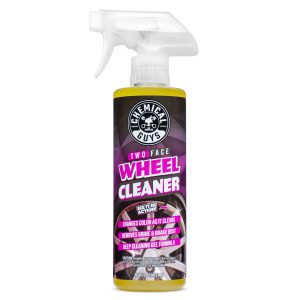
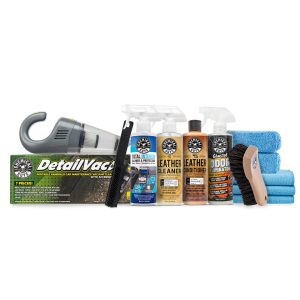

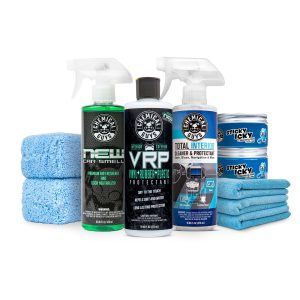
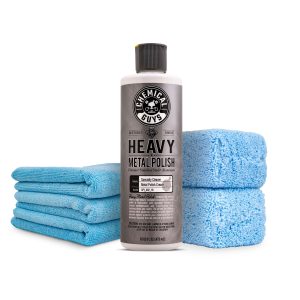



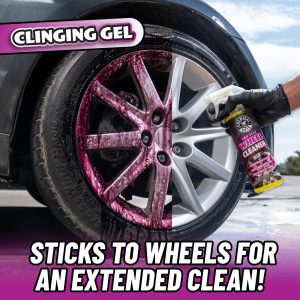
Wheels and tires are subjected to the harshest conditions of any part of a vehicle. They face extreme heat from braking, corrosive brake dust, road tar, and mud. Consequently, the supplies used for wheels and tires must be chemically stronger and mechanically more robust than those used on delicate paintwork. This article outlines the specific arsenal needed for wheel and tire care.
Chemical Cleaners: Acid vs. Alkaline vs. pH Neutral
The most stubborn contaminant on wheels is brake dust, which contains adhesive binders and carbon fibers from the brake pads, as well as hot metal shavings. If left effectively, this dust can pit the wheel finish.
Acid-based cleaners are powerful and fast-acting but can be dangerous to certain wheel finishes (like raw aluminum or anodized metal).
Alkaline cleaners are excellent at breaking down dirt and grease but requires thorough rinsing.
pH-neutral iron removers have become the industry favorite. They are safe for almost all wheel finishes and use a chemical reaction to dissolve iron particles specifically. They often change color to indicate they are working.
Tire Cleaners and Rubber Rejuvenation
Tires often turn brown over time. This is a process called “blooming,” where antiozonants in the rubber push to the surface. To bond a tire dressing effectively, this brown residue must be removed. A dedicated tire cleaner or a strong All-Purpose Cleaner is sprayed onto the tire sidewall. When agitated with a stiff-bristled brush, the foam will turn brown as it lifts the old silicone and oxidation. This step is crucial; applying dressing to a dirty tire results in a greasy mess that slings onto the car paint.
Tools of the Trade
Because wheels have complex geometries, wash mitts are often insufficient. Specialized brushes are required:
Barrel Brushes: Long, cylindrical brushes designed to reach deep into the wheel barrel (behind the spokes).
Lug Nut Brushes: Small, natural hair brushes to clean the tight recesses around lug nuts and valve stems.
Face Brushes: Soft, flagged-tip brushes for the face of the wheel to prevent scratching sensitive glossy black or chrome finishes.
Tire Dressings: The Final Touch
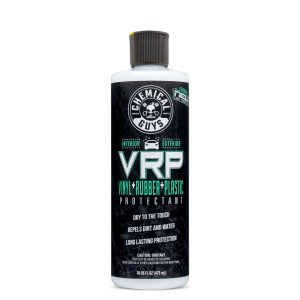
Once clean and dry, the tires need dressing. Dressings fall into two categories: solvent-based and water-based. Solvent-based dressings are durable and very shiny but can contain petroleum distillates that may degrade rubber over time if used excessively. Water-based dressings are generally preferred by professionals. They offer a satin, “new tire” look rather than a wet, greasy look. They are non-sticky, meaning they attract less dust, and they nourish the rubber.
Proper wheel and tire care is often what separates a quick wash from a professional detail. It grounds the vehicle visually and indicates a high level of attention to detail.